Skip to content
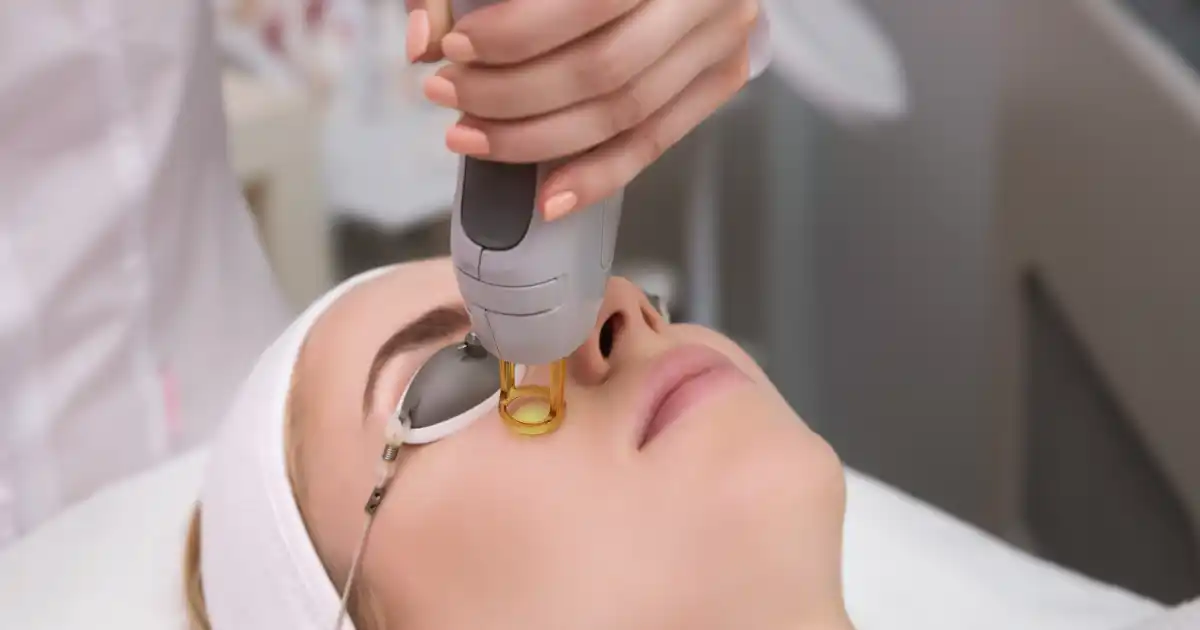
Table of Contents
Many people reach a point where skincare products no longer create the changes they want. More accuracy is frequently required for issues like uneven texture, pigmentation, acne scars, fine lines, and early signs of aging. One of the most studied and sought-after methods for enhancing skin tone and clarity is laser treatment, particularly for those who prefer long-term outcomes over band-aid solutions.
More patients today look for laser treatments that work for their specific complexion instead of a one-size-fits-all formula. This is especially true for those with deeper or more sensitive skin tones, including Asian skin, who often have concerns about safety, pigmentation, and recovery. At Dr. Addison Aesthetics, patients receive recommendations based on their skin type, goals, and comfort level so they feel confident before committing to any procedure.
This guide breaks down how different laser treatments for dark skin, fair skin, and sensitive skin work, along with what to expect and how to choose the best laser treatment for skin type concerns such as wrinkles, melasma, acne scars, and sun damage.
Why Your Skin Type Matters When Choosing a Laser Treatment
Laser energy interacts differently with various skin tones, moisture levels, and pigment levels. That means choosing the right approach is essential for both safety and results. Certain lasers target pigment, some heat the deeper layers of the skin, and others resurface the top layer.
People often expect all lasers to work the same, but each device is designed for a specific purpose, such as
- Stimulating collagen for smoother texture
- Reducing pigmentation
- Treating redness
- Improving scars
- Softening fine lines
Because of these differences, the same treatment that works well for someone with fair skin may not be the safest or most effective for a deeper skin tone. This is why medical guidance is so valuable when selecting safe laser treatments that reduce risk while providing visible improvement.
At Dr. Addison Aesthetics, the team evaluates your skin’s history, current condition, environmental exposure, and long-term goals before recommending a plan. Whether you’re looking for a gentle laser facial NYC-style glow or more focused skin resurfacing options, the right choice depends on understanding how your skin responds to heat, light, and controlled injury.
It is Important to Understand the Most Common Skin Types and Their Specific Laser Treatment Needs
Fair to Light Skin
These skin types usually have lower levels of melanin, which allows for a wider range of options. Many resurfacing lasers that create controlled heating can be safely used because there is less risk of excessive pigmentation afterward.
Common concerns in this group include:
- Sun damage
- Fine lines
- Early aging
- Redness
- Acne scarring
Patients with lighter skin tones often benefit from treatments that focus on resurfacing and collagen production. Mild to moderate resurfacing options can help with texture, pore size, and pigment irregularities caused by past sun exposure.
Medium Skin Tones
This category includes many Hispanic, Middle Eastern, and Asian skin types. These individuals often worry about post-inflammatory hyperpigmentation (PIH), especially after strong exfoliating treatments.
Laser options must be chosen carefully to avoid overstimulating the pigment cells. Gentle approaches that target the deeper layers of the skin without disrupting the surface often work well. A consultation can help determine whether your pigmentation concerns, such as melasma or dark spots, are suitable for a laser for pigmentation session or whether a combination approach is more appropriate.
Dark and Deep Skin Tones
These skin tones are rich in melanin, making them beautiful yet more reactive to heat-based energy. Many patients with darker skin think lasers are not safe for them at all, but modern wavelengths allow for laser treatments for dark skin that minimize risks when performed by trained professionals.
Comparing Popular Laser Skin Treatments and What They Address
Many people research treatments online and feel overwhelmed by the number of options. Understanding the differences helps you identify what fits your needs, especially if you seek results that look natural and last longer than basic facials or temporary brightening products.
Below are common categories of laser skin treatment used in medical aesthetics.
Non-Ablative Laser Treatments
Non-ablative lasers heat the deeper layers of the skin without removing the surface. These are great for people wanting improvement with very little downtime. They help with mild pigmentation, early aging, fine lines, and subtle texture changes.
These treatments are popular among those who want visible refreshment but cannot take extended time away from work or social activities.
Ablative Laser Treatments
Ablative lasers remove a portion of the surface layer, creating more dramatic improvement. They require longer recovery but can provide significant resurfacing benefits.
They help with:
- Deep wrinkles
- More severe sun damage
- Significant scarring
- Thickened texture
These options require careful assessment, especially for medium to dark skin tones.
Fractionated Laser Treatments
Fractionated lasers create micro-columns of treated skin surrounded by untouched tissue, promoting faster healing. They come in both non-ablative and ablative forms. This method is frequently used to treat acne scars. Roughness in texture and fine lines.
Fractionated lasers are often considered some of the best laser treatments for skin type concerns when customized correctly.
Pigment-Focused Laser Options
These lasers specifically target the melanin in dark spots and pigmentation. They help with sunspots, age spots, freckles, and melasma.
Practices must evaluate whether pigment concerns stem from sun exposure or deeper hormonal triggers. Some pigmentation like melasma can worsen with heat, so professional evaluation at Dr. Addison Aesthetics ensures the safest plan.
How to Choose the Best Laser Treatment for Your Skin Type
Most patients start researching lasers when they feel their skin has stopped responding to topical products or aging concerns become more noticeable. Selecting the right treatment starts with understanding your specific goals.
Identify Your Primary Concern
Common reasons people explore skin resurfacing options are uneven texture lines and wrinkles, acne scarring, pigmentation such as sun spots or melasma, dullness, and rough patches.
Each concern responds best to different treatment categories. For example, acne scars often respond well to fractionated treatments, while pigmentation may require a pigment-specific laser combined with other therapies.
Consider Your Skin Tone and Sensitivity
Safety is one of the most common concerns, especially among patients with Asian or darker skin tones who have seen mixed information online. Understanding your skin tone helps guide which wavelengths and intensities are appropriate.
Professionals evaluate:
- Melanin levels
- Sensitivity
- History of hyperpigmentation
- Past treatments and reactions
- Hormonal influences
With this information, your provider can ensure a safe laser treatment approach for long-term improvement.
Set Realistic Expectations
A single treatment may be helpful, but most results develop gradually. Many people see their best outcome through a series of sessions spaced several weeks apart. Your goals, whether mild brightening or a major textural upgrade, determine the timeline.
What to Expect When Receiving Laser Treatment
Patients who visit Dr. Addison Aesthetics often ask about comfort, downtime, and results. While every laser functions differently, most sessions follow a similar process.
Consultation and Skin Evaluation
Your provider will assess your skin tone, hydration level, pigmentation concerns, previous treatments, and lifestyle factors.
This determines whether a resurfacing laser, a collagen-stimulating option, or a pigment-focused treatment fits your needs.
Treatment Experience
During treatment, you may feel warmth or a snapping sensation depending on the device. Sessions typically last between 15–45 minutes.
Downtime and Recovery
Downtime varies:
- Non-ablative treatments: mild redness lasting 24–48 hours
- Fractionated non-ablative: light flaking for several days
- Ablative resurfacing: more visible peeling for 5–7+ days
Proper aftercare supports results and comfort.
When Results Appear
Results develop gradually as collagen renews and pigmentation settles. Many individuals see continued improvement for months after their treatment series is complete.
Who Is a Good Candidate for Laser Treatment?
Laser treatments are versatile and can support a wide range of goals for people in their 20s, 30s, 40s, and beyond. You may be a good candidate if you want:
- Improve early aging changes
- Address pigmentation
- Reduce texture irregularities
- Soften acne scars
- Refresh dull skin
Patients who prefer treatments backed by medical expertise often appreciate the physician-led care at Dr. Addison Aesthetics, especially when evaluating the nuances of skin tone and pigmentation.
Your Next Step Toward Smoother, More Even Skin
When you choose the right laser treatment for your skin type, it can make a big difference in how clear, smooth, and overall good your skin looks. Knowing your tone, your worries, and your long-term goals will help you make a choice that feels right and makes sense.
If you’re interested in laser treatment, contact Dr. Addison Aesthetics; a consultation with a knowledgeable provider can help you move forward with confidence.
Start your laser skin rejuvenation with expert guidance from the team at Dr. Addison Aesthetics. Their physician-led approach ensures that every recommendation aligns with your goals, skin needs, and comfort level.